

-
Ligue para nós
0086 13559245184 -
envia-nos um email
sales@fortunepart.com
Ligue para nós
0086 13559245184envia-nos um email
sales@fortunepart.com
Aug, 2026
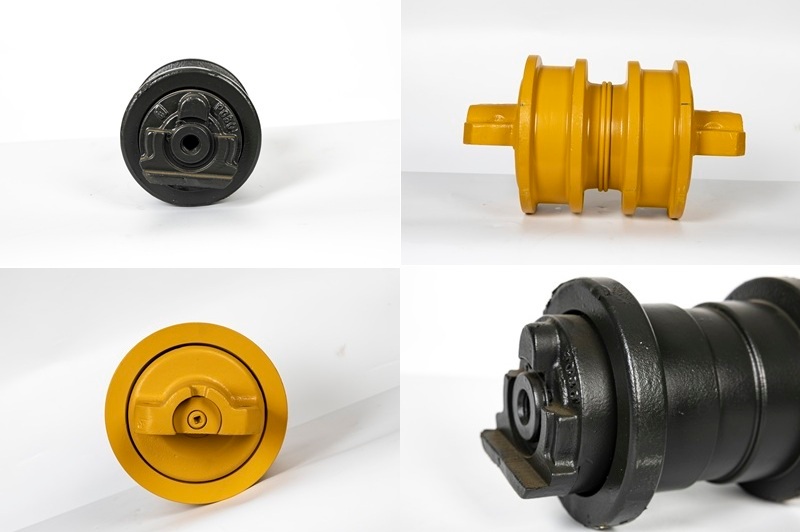
A Caterpillar D7G é um trator de esteira clássico que ainda trabalha intensamente em locais de obra ao redor do mundo. Como qualquer máquina de esteiras, seu material rodante sofre desgaste constante, e os rolos de esteira geralmente estão entre as primeiras peças a apresentar desgaste. Substituir os rolos desgastados no momento certo é uma das formas mais eficazes de proteger a corrente da esteira e a estrutura da esteira, e é uma parte rotineira de qualquer plano de Maquinário Pesado Substituição de Rolos de Esteira . A questão que a maioria dos proprietários de D7G faz não é se deve substituir os rolos, mas qual rolo é o correto para sua máquina. Este guia explica o que deve ser considerado antes de fazer o pedido.
O rolo de esteira da D7G suporta uma grande parte do peso da máquina, mantém a corrente da esteira alinhada e absorve impactos de terrenos irregulares. Quando um rolo começa a falhar, os efeitos aparecem rapidamente: a corrente da esteira sofre desgaste desigual, a máquina fica mais difícil de direcionar e, em casos graves, a própria estrutura da esteira pode ser danificada. Como a D7G é frequentemente usada em trabalhos pesados de movimentação de terra, o desgaste dos rolos pode ser rápido, e a inspeção deve fazer parte da rotina regular de manutenção.
Os rolos de esteira também desempenham um papel no conforto do operador e na estabilidade da máquina. Um conjunto de rolos desgastado faz a máquina operar com mais trepidação, aumenta a vibração e pode afetar a precisão do nivelamento em trabalhos de acabamento. Manter os rolos em boas condições, portanto, não é apenas evitar falhas, mas também manter a máquina previsível e confortável durante um turno completo.
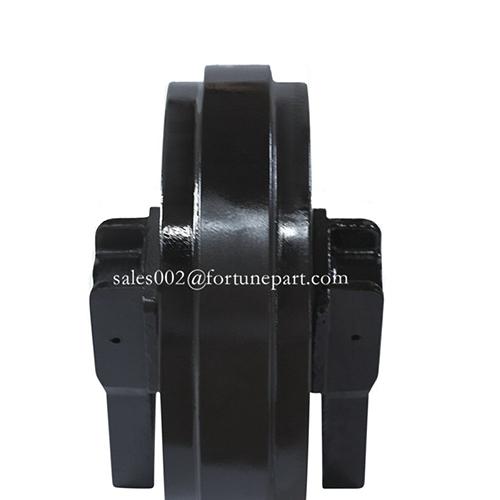
Os rolos de esteira D7G estão geralmente disponíveis nas versões de flange simples e flange dupla. A flange é a borda elevada na lateral do rolo que mantém a corrente da esteira em posição. Como regra geral, os rolos de flange dupla são usados nas posições centrais do material rodante para manter a corrente centralizada, enquanto os rolos de flange simples são usados nas posições externas. A configuração exata depende da configuração da máquina, portanto é recomendado verificar o rolo original antes de fazer o pedido.
Ao inspecionar o rolo antigo, observe o padrão de desgaste na flange. O desgaste desigual em um lado da flange geralmente indica um problema de alinhamento da corrente que deve ser corrigido antes da instalação dos novos rolos. Substituir o rolo sem corrigir o alinhamento apenas repetiria o mesmo dano.
Os rolos podem parecer semelhantes à primeira vista, mas pequenas diferenças nas dimensões e no design determinam se uma peça se encaixa. Confirme cada um dos seguintes pontos com o fornecedor antes de fazer um pedido:
| Item | O Que Confirmar | Por Que Isso Importa |
|---|---|---|
| Detalhes da máquina | Ano do modelo e número de série da D7G | Diferentes períodos de produção podem usar diferentes configurações de material rodante |
| Tipo de flange | Flange simples ou dupla e posição no material rodante | O tipo incorreto de flange não manterá a corrente devidamente centralizada |
| Dimensões do rolo | Diâmetro externo, largura e diâmetro do eixo | As dimensões determinam se o rolo se encaixa na estrutura da esteira e na corrente |
| Fixação | Padrão dos parafusos e tamanho da rosca | Diferenças na fixação são uma causa comum de devolução de peças |
| Tipo de vedação | Tipo de vedação usado no rolo | A qualidade da vedação determina por quanto tempo o lubrificante permanece dentro |
| Referência OEM | Número da peça original ou referência cruzada do fornecedor | A verificação cruzada do número da peça reduz o risco de um pedido incorreto |
Para operadores que trabalham em condições abrasivas, como rocha, areia ou cargas de alto impacto, a durabilidade do rolo se torna ainda mais importante. Vale a pena comparar as opções disponíveis e verificar Rolos de Esteira para Trator de Esteira de Alta Durabilidade para ver como a construção e a vedação diferem das peças padrão, especialmente quando a máquina opera muitas horas por dia.
O desgaste dos rolos de esteira se desenvolve gradualmente, e a substituição antecipada geralmente custa menos do que reparar os danos causados por um rolo com falha. Observe estes sinais:
Quando vários roletes apresentam o mesmo nível de desgaste, geralmente é melhor substituí-los como um conjunto junto com outros componentes desgastados do material rodante, em vez de um por vez. Misturar roletes novos com uma corrente muito desgastada pode reduzir a vida útil das peças novas.
Dois roletes do mesmo tamanho podem ter vidas úteis muito diferentes dependendo de como são construídos e como são usados. Entender os principais fatores ajuda você a comparar opções e definir expectativas realistas:
| Causa do Desgaste | O Que Acontece | Como Evitar |
|---|---|---|
| Tensão da esteira solta | Pontos planos e desgaste em formato de ondulação na superfície do rolete | Verifique e ajuste a tensão da esteira no intervalo recomendado |
| Falha da vedação | O lubrificante vaza, os rolamentos funcionam sem lubrificação e falham prematuramente | Inspecione as vedações durante a manutenção e substitua imediatamente os roletes com vazamento |
| Terreno abrasivo | Desgaste rápido do diâmetro e desgaste do flange | Escolha roletes com vedação durável e considere opções de maior durabilidade |
| Desalinhamento ou estrutura da esteira empenada | Desgaste do flange em um lado e deslocamento da corrente | Corrija problemas de alinhamento antes de instalar roletes novos |
| Sobrecarga | Rachaduras ou deformação no corpo do rolete | Evite sobrecargas repetidas por impacto e combine os roletes com a aplicação da máquina |
A vida útil do rolete também é afetada pela forma como todo o material rodante é mantido. Manter a máquina limpa de lama compactada e detritos reduz a carga sobre os roletes e facilita a inspeção, especialmente após trabalhos em condições úmidas ou com muito barro.
Uma boa manutenção é a forma mais econômica de obter toda a vida útil de um conjunto de roletes de esteira. As práticas a seguir são recomendadas independentemente da marca do rolete:
Um fornecedor confiável confirmará a especificação com você em vez de simplesmente enviar a correspondência mais próxima. A maneira prática de fazer o pedido é preparar três informações: o modelo e o número de série da máquina, o tipo de flange do rolete que você está substituindo e o número da peça original, se ainda estiver legível. Com esses detalhes, o fornecedor pode cruzar a referência da peça correta antes do envio.
Se você está procurando um Rolete de Esteira Caterpillar D7G, confirme se sua máquina usa um rolete inferior de flange dupla e verifique o número OEM na lista de referências cruzadas. Combinar o tipo de flange e as dimensões com sua máquina é a maneira mais rápida de evitar tempo de inatividade causado por uma peça incorreta.
O número depende da configuração da estrutura da esteira. Os roletes são montados ao longo da parte inferior da estrutura da esteira, e a quantidade exata pode ser confirmada no manual de peças da máquina ou contando as posições dos roletes no material rodante.
Não. O tipo de flange corresponde à posição do rolete no material rodante. Usar o tipo incorreto pode permitir que a corrente saia da posição e cause desgaste irregular.
A frequência de inspeção depende das horas de operação e das condições do terreno. Como regra geral, os roletes devem ser verificados como parte da manutenção regular do material rodante e com mais frequência em condições de trabalho abrasivas ou com pedras.
Não necessariamente. Diferentes séries de produção e configurações do D7G podem usar dimensões e padrões de montagem diferentes, portanto o número de série da máquina e o número da peça original são as referências mais confiáveis.
Depende do nível de desgaste. Se vários roletes estiverem próximos do limite de desgaste, substituí-los juntos geralmente é mais econômico e mantém o desgaste equilibrado em todo o material rodante. Se apenas um rolete estiver danificado, uma substituição individual pode ser aceitável após verificar os demais.
O rolete de esteira Caterpillar D7G é uma peça pequena com grande influência na vida útil do material rodante. Confirme o tipo de flange, as dimensões e a referência OEM antes de fazer o pedido, inspecione os roletes regularmente e substitua as peças desgastadas antes que elas danifiquem a corrente ou a estrutura da esteira. Combine boas escolhas de vedação e materiais com hábitos simples de manutenção, como tensão correta da esteira, lubrificação regular e limpeza, e o material rodante do seu D7G continuará funcionando de forma confiável por muitas horas.
Entre em contato com fortunepart.com com o modelo do seu D7G e o número da peça original, e ajudaremos você a confirmar a especificação correta do rolete de esteira antes de fazer o pedido.
categorias
recente Postagens
Tag
Xiamen Fortune Industrial Co., Ltd.
Room 402,No.7,Kangleli,Huli District, Xiamen, Fujian, China
Tel : 0086 13559245184
Fax : 0086-592-7072790
Whatsapp/Wechat : +8613559245184
Contact Person: James Xie
O email: sales@fortunepart.com
Microsoft Teams: part-sales
digitalizar para wechat: